
Worker-Owned: What It Means at Storehouse Grocers & Coffee (and Why We're Building It This Way)
- Carl Johnson

- Jan 13
- 6 min read
This is part 1 of our 3-part series breaking down why we chose Wefunder and what community ownership really means at Storehouse.
Here's the thing about worker ownership that most people don't get : it's not some feel-good buzzword we threw on our website to sound progressive. It's literally how we think business should work. And honestly? It's been one of the hardest things to explain to people because we're so used to the old way of doing things.
When we say "worker-owned," we mean our team members : the folks stocking shelves, pulling espresso shots, helping families find what they need : they get the opportunity to actually own a piece of what they're building every single day. Not just a paycheck. Not just "employee of the month" recognition. Actual ownership.
What This Actually Looks Like Day-to-Day
We start with something basic that shouldn't be revolutionary but somehow is: we pay $19 an hour. That meets St. Paul's living wage of about $40,000 a year. Because how can you talk about ownership when people can't even afford to live?
But here's where it gets interesting : and this is where we're building something different from your typical grocery store. Every team member who wants it gets a pathway to co-ownership. We're not talking about stock options that might be worth something someday if everything goes perfectly. We're talking about real ownership in a business that's already serving families in our community.
The difference is immediate. When someone owns a piece of something, they care about it differently. They notice when the produce display looks tired. They remember customers' names. They think about how to make the coffee bar run smoother because it's their coffee bar too.
We see it every day : the way conversations change when people realize they're not just working for Storehouse, they're working with Storehouse to build something that serves their neighbors.
Why Traditional Employment Isn't Working
Here's what we learned pretty quickly: the old model is broken. And we mean broken in a way that goes way beyond just wages, though wages are definitely part of it.
Think about it : Minnesota's food industry is worth $50 billion. Fifty billion dollars flowing through our state every year, and most of the people who make that industry run? They're barely getting by. They're working multiple jobs. They're choosing between rent and groceries. They're using SNAP benefits at the same stores where they stock shelves.
That doesn't make sense. And it definitely doesn't make sense when you're trying to address food insecurity and build community wealth at the same time.
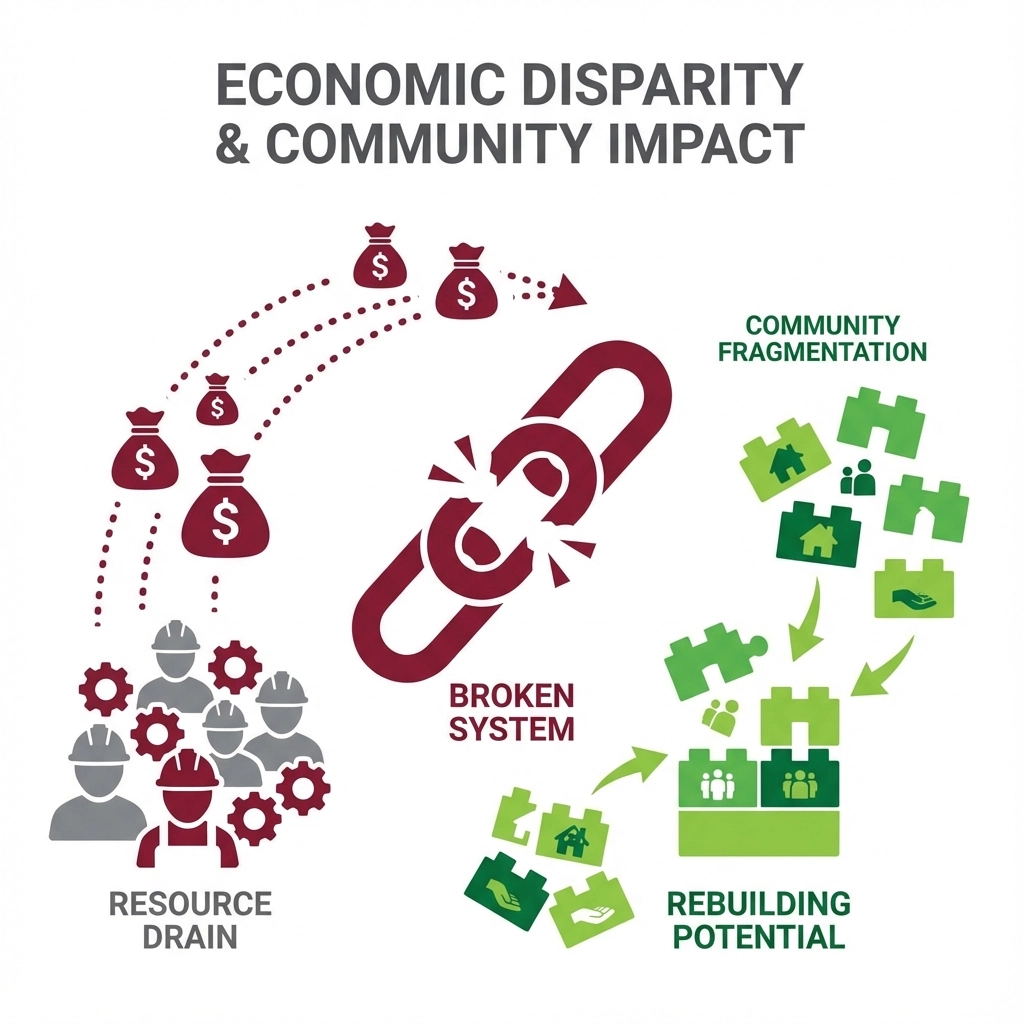
The traditional model says: owners take the risk, workers get paid wages, and that's the end of the story. But what happens when the people doing the actual work : the people who know the customers, who understand what the community needs : what happens when they have no stake in whether the business thrives or just survives?
You get high turnover. You get people who show up for a paycheck but don't really show up, you know? You get businesses that serve shareholders instead of communities.
We're building the opposite of that.
How Worker Ownership Changes Everything
When people ask us "what's different about shopping at Storehouse," this is really what they're asking about, even if they don't realize it. They're asking about the energy they feel when they walk in. The way staff actually seems to care about helping them find what they need. The way the store feels like it belongs to the neighborhood instead of some corporate chain.
That's worker ownership in action.
Because when our team members are also co-owners, they're not just thinking about getting through their shift. They're thinking about how to make the whole operation better. They're invested , literally invested : in whether customers have a good experience. They notice things that need fixing. They come up with ideas for how we can serve families better.
And this creates this ripple effect we honestly didn't expect when we started. Customers start recognizing faces. They start having actual conversations instead of just transactions. They start thinking of Storehouse as their store too, because they can feel that the people working there think of it as their store.
It's community wealth building in the most practical sense : when the people working in the neighborhood also own a piece of the businesses in the neighborhood, money stays in the community instead of flowing out to distant shareholders.
The Economics That Actually Matter
Look, we could talk about profit-sharing models and equity structures all day, but here's what really matters: we're creating pathways for economic advancement that didn't exist before.
Most of our team members couldn't walk into a bank and get a business loan. They couldn't afford to buy into a franchise. They definitely couldn't scrape together the capital to start their own grocery store. But they can earn their way into ownership of something that's already working, already serving customers, already generating revenue.
This is economic empowerment that's real and immediate, not theoretical. It's building wealth through work and ownership instead of just work.
And it scales. Every new Storehouse location means more ownership opportunities. More people earning living wages and building equity instead of just earning paychecks. More neighborhoods where the grocery store is owned by people who actually live in the neighborhood.
Where Wefunder Comes In (And Why Anyone Can Join Us)
This is where our Wefunder campaign connects to everything we just talked about. We're not just raising money to expand : we're expanding the ownership model itself.
Through Wefunder, anyone can invest in what we're building. Community members, customers, people who believe in worker ownership : you can all own a piece of Storehouse alongside our team members. We're offering Future Equity (SAFE) with a $5M valuation cap, 20% discount, and pro-rata rights. Minimum investment is $100, and our campaign is live with a goal of $50,000.
This isn't about getting rich quick or promising massive returns. It's about building something together that creates value for everyone involved : workers, customers, investors, and the broader community.
Because when you think about it, traditional retail investment is pretty extractive. Outside investors put money into stores, take profits out of communities, and the people doing the actual work get whatever's left over. We're building a model where everyone who contributes : whether that's labor or capital or both : has a stake in the success.
What We're Really Building Here
The worker ownership model at Storehouse isn't just about fairness, though it is definitely about fairness. It's about effectiveness. It's about building businesses that actually serve communities instead of just extracting wealth from them.
We're proving that you can pay living wages, share ownership broadly, serve healthy food in underserved neighborhoods, AND build something that's financially sustainable. We're showing that the choice between doing good and doing well is a false choice.
But we're also honest about the challenges. Building this model means slower growth in some ways. It means more complex decision-making processes. It means we have to think differently about everything from hiring to expansion to how we measure success.
And we're still figuring some of this out as we go. Worker ownership in retail isn't exactly a well-traveled path. We're learning from cooperatives and worker-owned businesses in other industries, but we're also having to innovate and adapt as we grow.
What Comes Next
This is just the beginning. We're building the foundation for something much bigger : a network of worker-owned stores that keep wealth in communities while serving healthy food and building local economic power.
Every person who joins our team, every customer who shops with us, everyone who invests through Wefunder : you're all part of building this alternative model that shows how business can work when it's designed to serve communities instead of extract from them.
The worker ownership model at Storehouse is about creating real economic opportunity for people who've been shut out of traditional pathways to wealth building. It's about proving that retail can be a tool for community development. And it's about showing that when workers have a stake in success, everyone benefits.
This communication is for informational purposes only. No offer or solicitation to buy or sell securities is being made. Investing involves risk, including the risk of loss. For details, visit our official Wefunder campaign page.
Comments