
The Future of Community Finance: 5 Ethical Fintech Models Helping Families Build Real Wealth
- Carl Johnson

- Feb 3
- 5 min read
We've been thinking a lot about wealth lately. Not the kind you see on Instagram or in those motivational memes that tell you to "hustle harder." We're talking about the kind of wealth that gives families breathing room, the kind that lets you say yes when your kid needs something for school, the kind that means you're not one emergency away from financial collapse.
And here's the thing, traditional finance isn't built for that kind of wealth building. Not for most of us, anyway.
Banks have historically said no to the families who need them most. Credit scores lock people out. Predatory lenders swoop in with promises wrapped in impossible terms. And somehow we've normalized this? We've accepted that some families just don't get access to the tools that build stability?
Yeah, we're not accepting that anymore.
So we started digging into what actually works. What models exist right now, today, not some distant future, that are helping families build real wealth without the exploitation? And we found five that give us hope. Five that we're studying, learning from, and in some cases, building ourselves.
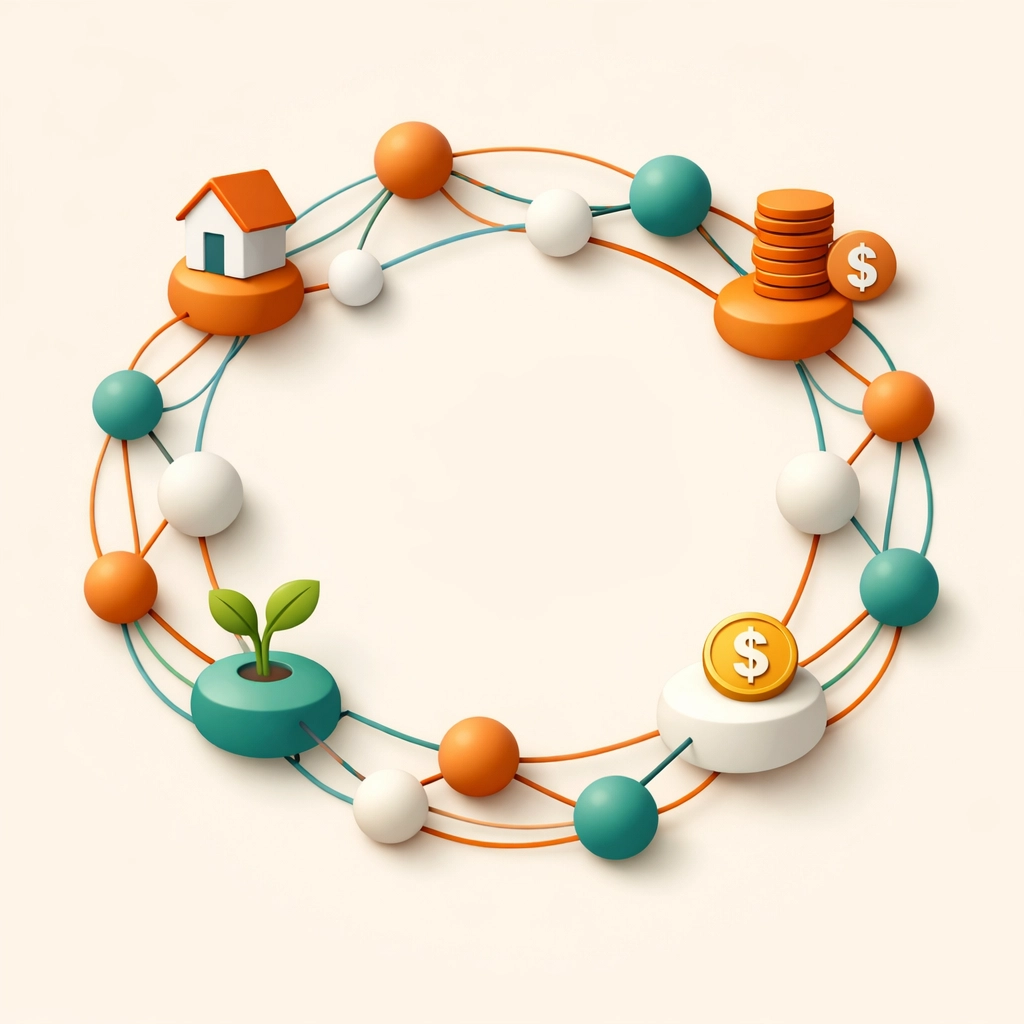
1. Community Land Trusts (But Make It Finance)
Okay so Community Land Trusts are traditionally about housing, right? The community owns the land, families own the home, and housing stays affordable forever. It's brilliant. But what if we applied that same logic to finance and food access?
What if a community collectively owned the financial infrastructure that serves it? What if the grocery store wasn't extracting wealth from the neighborhood but actively keeping it circulating within the community?
That's what we're testing at Storehouse. When families shop with us, when they use our wallet, when they access micro-credit, none of that wealth leaves the community. It stays here. It compounds. It builds.
We're seeing this work in small ways already. A family saves on groceries through our wallet rewards. That savings turns into a small credit line. That credit line helps them avoid a predatory payday loan. And suddenly we're not just selling groceries, we're building financial resilience.
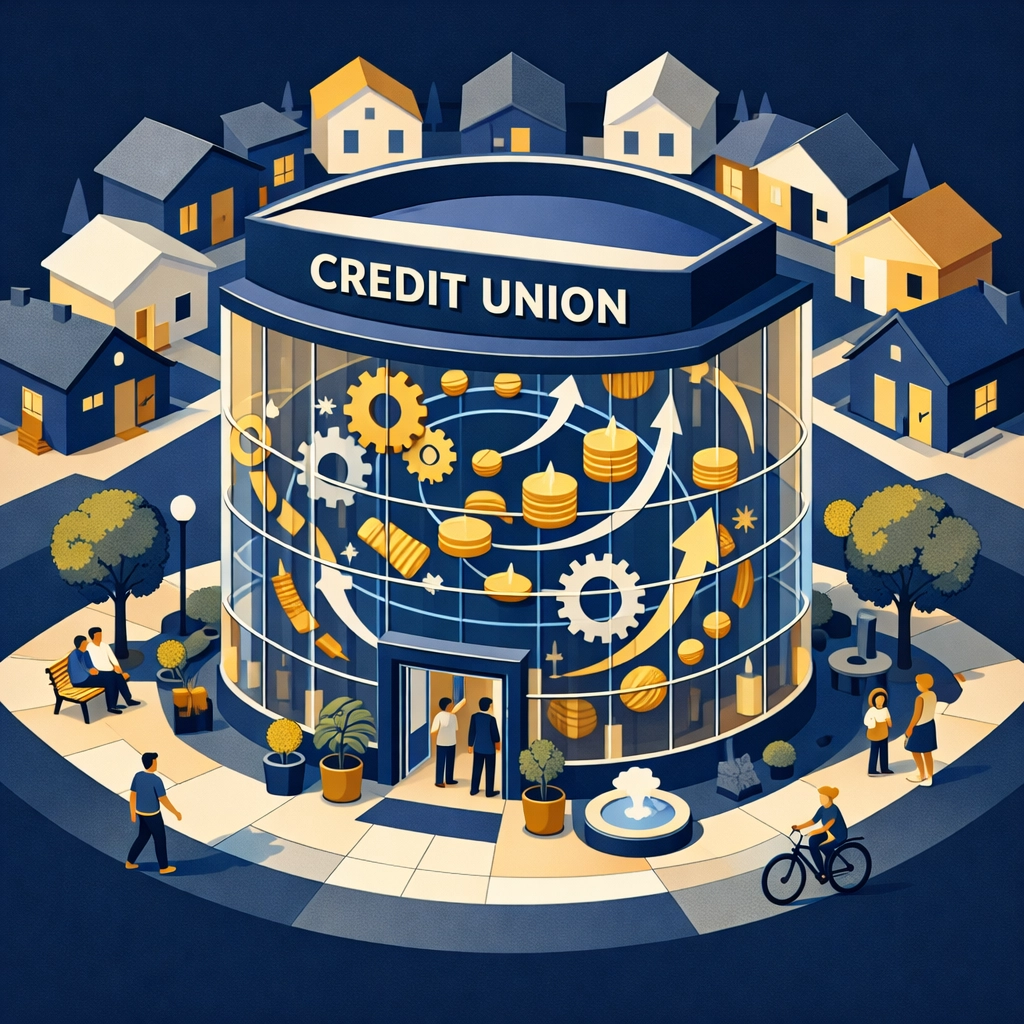
2. Credit Unions (The OG Community Finance Model)
Credit unions have been doing this forever and somehow we forgot how radical they actually are? They're member-owned. Non-profit. They exist to serve members, not shareholders.
We love credit unions because they prove that finance doesn't have to be extractive. When a credit union makes money, it goes back to members through better rates, lower fees, actual human customer service. Revolutionary, honestly.
And here's what we're learning from them, ownership matters. When families have a stake in the institution serving them, everything changes. Suddenly it's not us versus them. It's just us, working together to build something better.
That's the energy we're trying to bring to grocery retail. What if your local grocery store operated like a credit union? What would that even look like? We're figuring it out as we go, and yeah it's messy, but this is the work.
3. CDFIs (The Patient Capital We Actually Need)
Community Development Financial Institutions are out here doing the Lord's work, funding projects that traditional banks won't touch. They provide capital to communities that have been systematically excluded from finance. And they do it with patient terms, reasonable rates, and actual partnership.
We're working with CDFIs ourselves because they understand what we're building. They get that a grocery store in a food desert isn't just a retail play, it's community infrastructure. They understand that aiming for sustainable unit economics takes time when you're also building financial tools, employing from the neighborhood, and keeping prices accessible.
CDFIs prove that capital can be deployed ethically. That you can lend money without predatory terms. That financial institutions can exist to build communities up instead of extracting from them.
And the families they serve? They're building businesses, buying homes, creating stability. Not because they got a handout but because someone finally gave them access to fair terms.
4. Peer-to-Peer Lending & Rotational Savings (The Sou-Sou Model)
This one hits different because it's ancient wisdom meeting modern fintech. In Caribbean and West African communities, sou-sou (or susu) has been building wealth for generations. It's simple, a group of people each contribute money regularly, and every cycle someone gets the full pot. No interest. No credit check. Just trust and community.
And it works! People buy houses with sou-sou. Start businesses. Handle emergencies. All without ever touching a traditional bank.
Now fintech platforms are digitizing these models, making them accessible at scale while keeping that community trust element alive. We're watching these platforms closely because they prove something crucial, families don't need complicated financial products. They need fair access and community support.
What if we embedded something similar into how grocery rewards work? What if shopping at Storehouse meant you were part of a rotating credit pool? What if your neighbors' spending helped unlock your access to capital?
These are the questions keeping us up at night in the best way.

5. The Storehouse Wallet Model (Yeah, We're Building This)
Okay so this one's ours and we're figuring it out in real time. The Storehouse Wallet links your grocery spending to rewards and micro-credit access. Every dollar you spend builds your financial profile: not through some opaque credit score, but through actual purchasing behavior that we can see and verify.
You buy groceries consistently? That tells us you're managing your budget. You're showing up. You're responsible. And that should mean something financially.
So we're building credit access that's tied to your real life, not some algorithm that nobody understands. And the rewards aren't just points: they're actual value that stays in your pocket, that compounds, that helps you get ahead.
We're also exploring how this connects to SNAP/EBT. How do we make sure families using benefits get the same wealth-building tools? How do we avoid creating a two-tier system where some families get rewards and others don't?
This is where it gets complicated, where we're still testing and learning. But we're committed to figuring it out because this matters. If we're building a financial tool, it needs to work for everyone or it's not worth building.
You can read more about how the Storehouse Wallet actually works if you want the full breakdown.
So What Does This All Mean?
It means we're done pretending that traditional finance is the only option. It means families deserve better than predatory lenders and banks that don't want their business. It means communities can own the infrastructure that serves them.
And honestly? It means we've got work to do.
These five models aren't perfect. They're not going to solve everything overnight. But they represent a different approach to finance: one where families come first, where communities build wealth collectively, where finance is a tool for flourishing instead of extraction.
We're building this at Storehouse. We're learning from credit unions and CDFIs and sou-sou circles. We're trying to create something that actually helps families get ahead without the gotchas, without the fine print that traps you, without the systems designed to keep you stuck.
Will it work? We're finding out. Are we making mistakes along the way? Absolutely. But this is the only work worth doing: building the financial tools our communities actually need, not the ones Wall Street thinks they should want.
If you're working on something similar, if you're in a community trying to build these kinds of models, if you're just tired of how finance currently works: reach out. Let's learn from each other. Let's build this together.
Because the future of community finance isn't something we wait for. It's something we build, right now, with what we've got and who we've got.
And we've got each other. So let's do this.
Disclaimers:
Any market sizing, projections, or performance metrics are estimates for context, not guarantees.
Credit outcomes depend on individual circumstances and partner policies; no results are guaranteed.
Program features and eligibility may vary and are subject to change.
SNAP/EBT acceptance and related features depend on program rules and approvals; availability may vary by location.
Comments