
What We Actually Learned in Year One Running Storehouse Grocers
- Carl Johnson

- Jan 4
- 7 min read
We thought we knew what we were doing. We really did.
Two years of planning, community meetings, business model iterations, and countless conversations about food access in Dayton's Bluff... we felt prepared. We had spreadsheets. We had projections. We had a mission that felt unshakeable.
Then we opened the doors in 2019, and the neighborhood started teaching us what running a grocery store actually meant.
Here's what we learned in Year One that no business plan could have predicted: and why these lessons are shaping everything we're building next.
Lesson #1: Pricing Is About Value Perception, Not Cost Competition
Our biggest mistake? Trying to compete with Walmart on staple prices.
We spent the first three months obsessing over making sure our milk, eggs, and bread prices matched the big boxes down the road. We thought that's what our neighbors needed: that's what they told us they needed. Price parity meant access, right?
Wrong. Dead wrong.
What we discovered instead: our customers weren't shopping us for the lowest price on commodity items. They were shopping us for convenience, for knowing where their food comes from, for supporting something they helped build. When we focused on matching Walmart's prices, we were competing on their terms... and losing money on every transaction.
The shift happened when Mrs. Rodriguez, one of our regulars, told us something that changed everything: "I don't come here because you're cheaper. I come here because you're here." She meant it literally: we're six blocks from her house instead of six miles. But she also meant it philosophically. We're here as neighbors, not extractors.

So we stopped the price-matching game and started pricing for value. Premium items that you can't find anywhere else in the neighborhood. Local suppliers whose products tell a story. Fresh coffee that makes the morning routine feel special instead of transactional.
Our basket size went up meaningfully. Customer satisfaction scores climbed. And here's the thing that surprised us most: complaints about pricing actually went down when we stopped trying to be the cheapest option and started being the best option within walking distance.
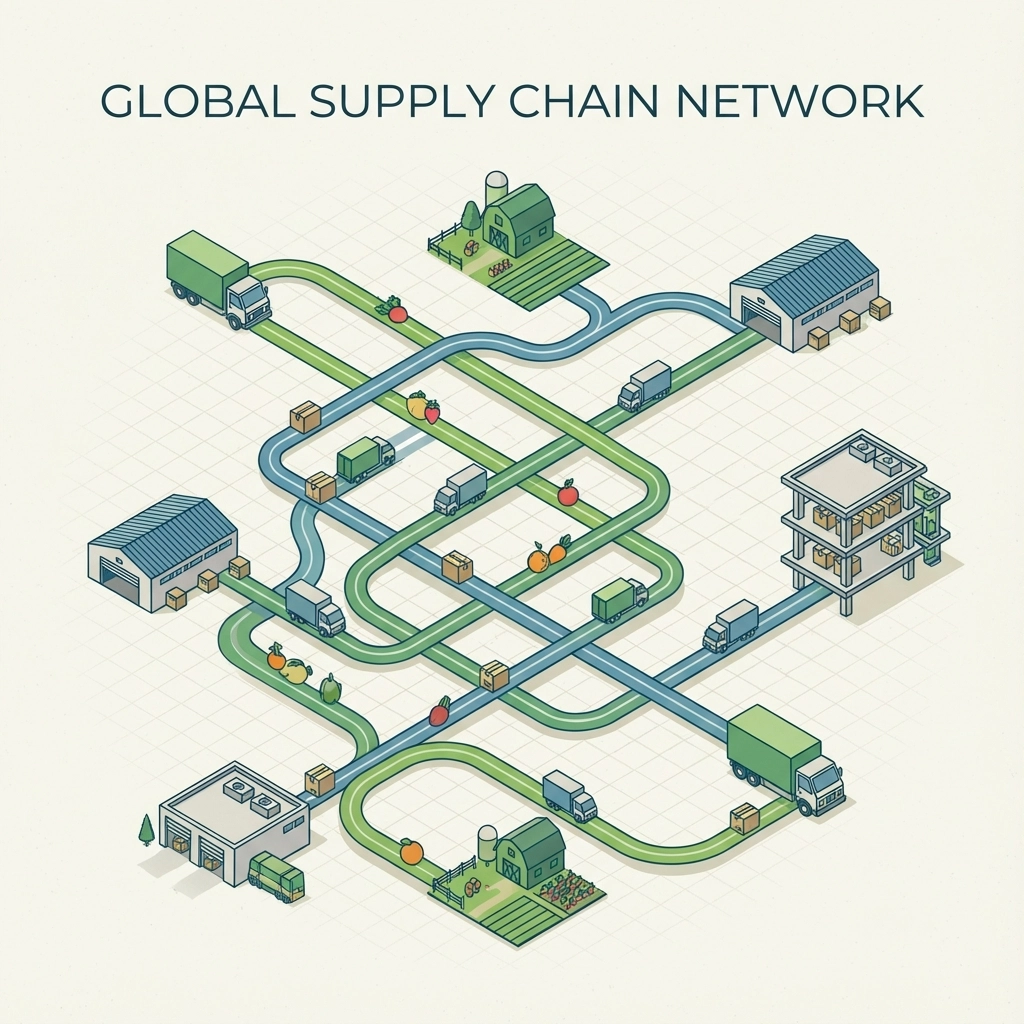
Lesson #2: Supply Chain Is About Relationships, Not Just Logistics
We thought grocery supply chain meant finding the right distributor and negotiating good terms. Standard wholesale relationships, predictable delivery schedules, efficient inventory turns.
What we actually discovered: supply chain in a neighborhood-scale operation is about building a web of relationships that can flex when things go sideways. And things go sideways constantly.
Our main distributor relationship works well for about 70% of our needs. But that other 30%? That's where the magic happens. Local bakery that can deliver fresh bread twice a week. Urban farm collective that brings produce directly to our loading dock. Coffee roaster who lets us customize blends based on what our customers are actually buying.
The local relationships cost more per unit. They require more coordination. They're messier from a logistics standpoint. But they're also more resilient. When our main distributor had supply chain hiccups during the early months: which happened more than we expected: our local network kept us stocked.
Here's what changed our approach entirely: we stopped thinking about supply chain optimization and started thinking about supply chain redundancy. Having three different ways to source key items means we're never caught completely off-guard. It costs more upfront, but it saves us from the revenue loss of empty shelves.
Lesson #3: Staffing Is Community Investment, Not Just Labor Cost
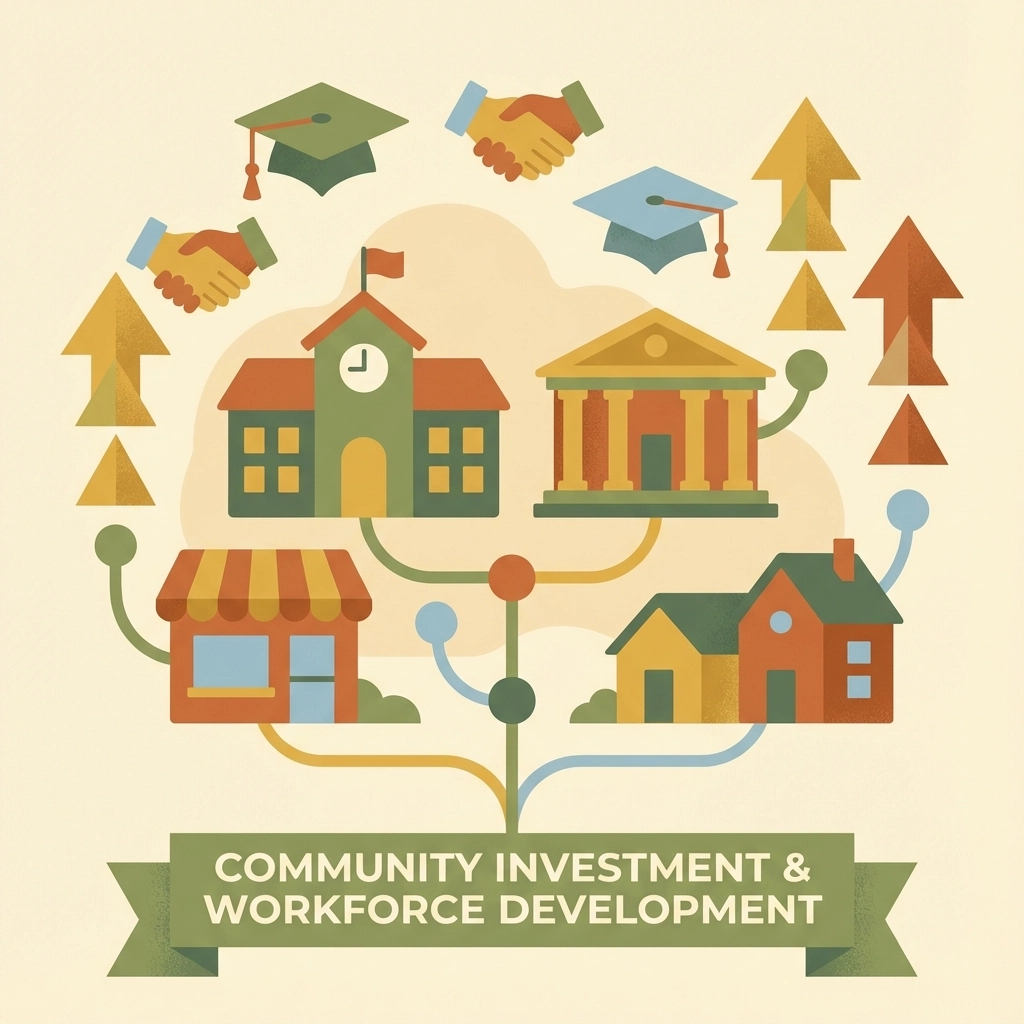
We knew from day one that we wanted to hire from the neighborhood. What we didn't understand was how to balance community investment with operational needs when you're running on razor-thin margins and learning everything as you go.
Our first staffing approach was... naive. We hired based on enthusiasm and community connection, assuming we could train anyone to handle the technical parts of grocery operations. Cash register systems, inventory management, vendor relations, customer service protocols: how hard could it be?
Turns out: pretty hard when you're also trying to establish your operational rhythm as a new business.
The mistake that taught us the most happened about four months in. We had three staff members who were deeply connected to the community but struggling with the operational side. Customer wait times were getting longer. Inventory was frequently miscounted. The energy was right, but the execution was inconsistent.
That's when we shifted to what we call "blended staffing": hiring some folks from the neighborhood who bring community knowledge and authentic connection, plus some folks with grocery experience who can train and mentor. The combination works. The community-connected staff members help us understand customer needs and build genuine relationships. The experienced staff members ensure operations run smoothly and help train everyone else.
Now our staff scheduling looks different than a typical grocery store. We pair newer team members with experienced ones for most shifts. Training is ongoing, not just a one-week onboarding. And we invest more time in developing people because we're building something together, not just filling positions.
Lesson #4: Hours Are About Customer Patterns, Not Industry Standards
Standard grocery wisdom says you maximize revenue by staying open as long as possible. More hours equals more sales opportunities, right?
We started with ambitious hours: 6 AM to 10 PM, seven days a week. We thought we were serving the community by being available whenever people needed food.
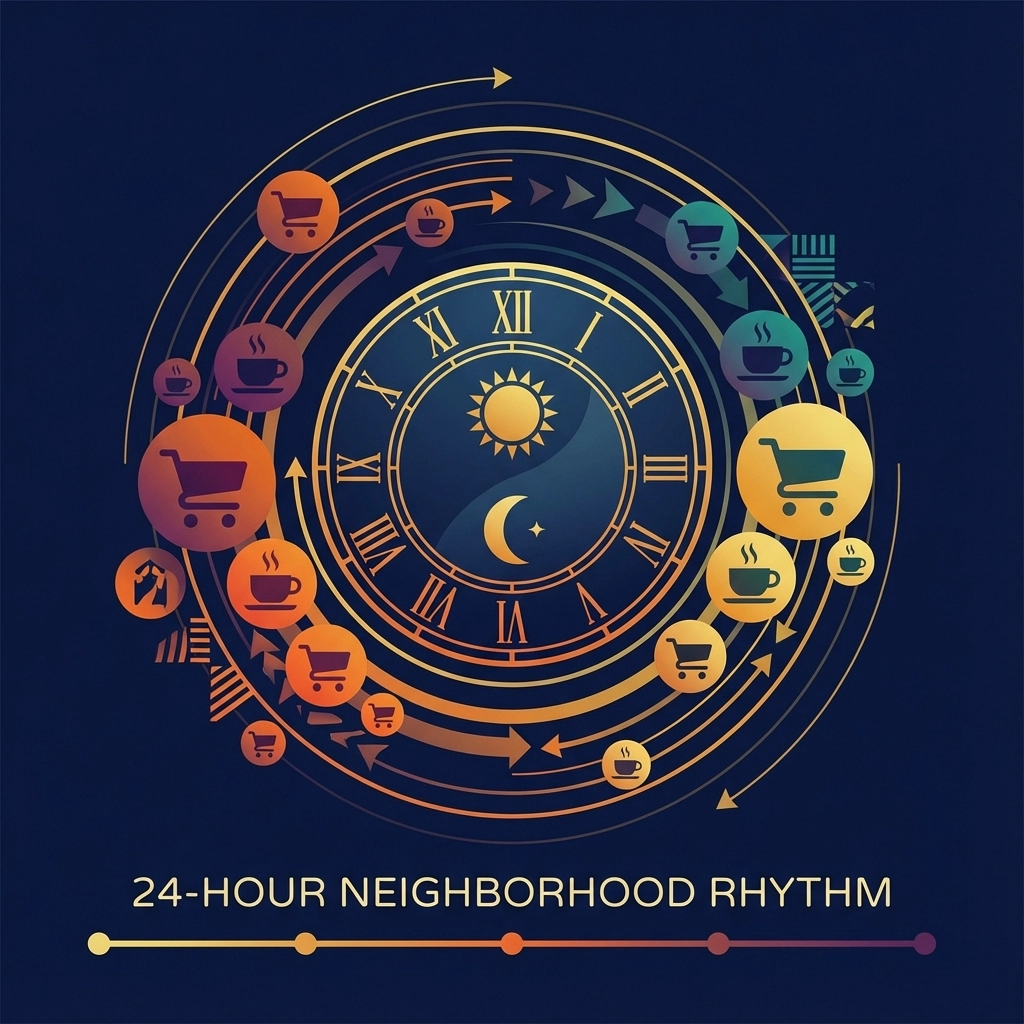
What we learned instead: our neighborhood has specific rhythm patterns that don't match suburban grocery shopping habits. Morning rush is real, but it's concentrated between 7-9 AM when people are heading to work and want coffee plus quick breakfast items. Evening peak happens earlier than we expected: 5-7 PM when folks are walking home and picking up ingredients for dinner.
But those late evening hours? Almost empty. The cost of staffing and utilities past 8 PM wasn't justified by sales. We were burning cash to keep lights on for maybe a dozen customers per night.
Six months in, we adjusted to 6 AM-8 PM on weekdays, 7 AM-8 PM on weekends. Sales actually went up because we could staff the busy periods more heavily and provide better customer service when people were actually shopping.
The bigger lesson: neighborhood-scale retail follows different patterns than strip mall or suburban retail. Our customers walk to us, which means they shop differently. More frequent, smaller trips. More spontaneous purchases. More social interaction because shopping here is part of their daily routine, not a weekly expedition.
Lesson #5: Customer Behavior Is About Community Building, Not Just Transactions
Here's what we got completely wrong at first: we thought success meant efficient transactions. Get people in, help them find what they need, check them out quickly, move on to the next customer.
Grocery retail efficiency, right? Keep the line moving.
What actually happened: customers wanted to talk. About the new coffee blend. About whether we'd start carrying their favorite hot sauce. About what produce was coming in season. About how their kids were doing in school and whether we knew any good tutoring programs in the neighborhood.
Initially, this felt like a problem. Longer checkout times meant lower transaction velocity. Conversations meant less predictable labor scheduling. We worried about customer satisfaction if people had to wait while someone else chatted with our staff.
But then we started paying attention to what was actually driving customer loyalty and repeat visits. It wasn't transaction speed. It was relationships. People came back because they felt known. Because shopping here felt like checking in with neighbors, not just buying food.
So we redesigned our layout and staffing approach around community building instead of transaction efficiency. More space near the register for conversations. Staff training that prioritizes relationship building alongside operational skills. A coffee area where people can sit and talk instead of just grabbing and going.
Our average transaction time went up. Our customer retention rates went up even more. People started bringing friends. They started requesting special orders. They started thinking of Storehouse as their store, not just a store.
The Mistake That Changed Everything
But here's the mistake that taught us the most, the one that fundamentally shifted our strategy...
We spent our first six months trying to be everything to everyone. Competitive prices, massive selection, long hours, fast service. We were trying to out-grocery the big grocery stores instead of being something different.
The wake-up call came during a particularly brutal month when we calculated that we were spending more on operations than we were generating in revenue. Not sustainable, obviously. But the real problem wasn't the numbers: it was that we were exhausted trying to be something we weren't built to be.
That's when we made the strategic shift that defines everything we do now: instead of competing with big-box stores, we decided to serve the needs that big-box stores can't serve. Convenience. Community connection. Local sourcing. Personal relationships. Products that tell stories about where they come from.
This changed everything. Our pricing strategy, our staffing approach, our vendor relationships, our store layout, our hours. Instead of trying to be a smaller version of a big grocery store, we became something entirely different: a neighborhood-scale operation that serves needs that scale can't address.
What This Means for What We're Building Next
These lessons aren't just operational insights: they're the foundation for everything we're planning as we grow.
The relationship-based supply chain model? That's how we'll source for multiple locations while maintaining local connections in each neighborhood. The community-invested staffing approach? That's how we'll scale without losing the authentic connection that makes this work. The customer behavior insights around convenience and community? That's informing our technology development and store format decisions.
We're not trying to become a regional grocery chain. We're building a system that can create multiple neighborhood-scale operations, each one rooted in local relationships but connected through shared values and operational learnings.
Year One taught us that success in neighborhood-scale retail isn't about efficiency optimization: it's about community integration. It's about becoming part of the fabric of daily life instead of just another place to buy food.
And that's exactly what we're building toward as we plan our next locations and deepen our impact in the communities we serve.
The lessons continue. The learning never stops. But now we know what questions to ask and what metrics actually matter when you're building something that's designed to last and grow within the neighborhoods that need it most.
Join us as we keep figuring this out, one neighborhood at a time.
Comments