
What We're Testing in Public at Storehouse (and Why We're Doing It This Way)
- Carl Johnson

- Jan 6
- 6 min read
Most startups hide their experiments until they have perfect results to announce. We're doing the opposite at Storehouse. We're sharing our work in the open while being careful about where things are in the process : loyalty and Storehouse Wallet are in a small closed beta with a few people and partners, and we're openly discussing community finance models, worker-owned retail structures, and data insights with our neighbors : because we believe transparency builds better solutions.
Why? Because the problems we're trying to solve are too big for any single company to figure out alone. Food insecurity, wealth inequality, community disinvestment : these aren't technical problems that get solved in isolation. They're systems problems that require collective intelligence, shared learning, and honest feedback from real communities.
So here's what we're actually testing right now, what's working, what surprised us, and what we're still figuring out. This isn't a polished success story. It's a real-time look at how we're building something that might actually matter.
Three Things That Are Working In Closed Beta
1. Closed-Beta Onboarding + Feedback Loops
We kept it tiny on purpose — a handful of consented testers and a couple partners sitting with us, literally or on Zoom. We watch first-run flows, we ask too many why-questions, we keep DMs open, we run weekly check-ins. We ship small changes daily, sometimes hourly. We track only what we need, then we delete what we don't. And we write things down. A lot.
What's working? Fast loops. People tell us where they stumble, we fix copy, we trim steps, we shorten time-to-first-value. Big example: we stripped the "ownership" framing and moved to plain "community rewards" language (benefits and perks, not equity, not dividends, not securities). Friction drops when language matches expectations. Feels obvious after you see it. Didn't feel obvious before.
Program features and eligibility may vary and are subject to change.
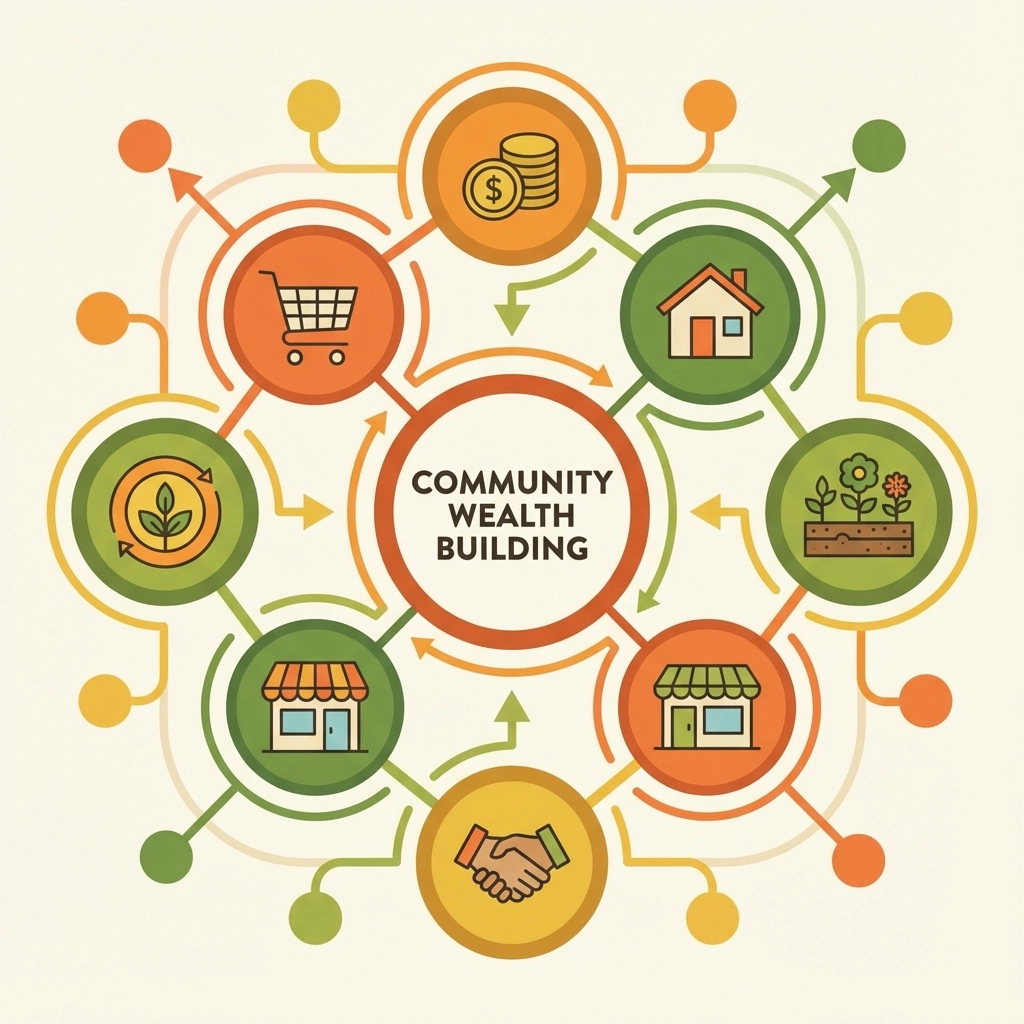
2. Early Partner Interest + Integration Conversations
We're not broadly live. We're talking. Payments processors, local credit unions/community finance orgs, fellow grocers and coffee folks, compliance advisors. We map feasibility, sketch interfaces, swap sandbox keys, draft risk playbooks. We treat SNAP/EBT as a design constraint from day one — any future functionality depends on program approvals and will vary by location. No promises until approvals, period. That's the bar.
Also: a few partners are offering a very small set of test users to co-design with us. That helps us learn context we'd miss building in a vacuum. Edge cases show up faster when real people touch real flows — even if it's only a few.
SNAP/EBT acceptance and related features depend on program rules and approvals; availability may vary by location. Credit outcomes depend on individual circumstances and partner policies; no results are guaranteed.
3. Discipline: Cadence, Measurement, and Privacy-by-Design
This is the boring stuff that makes everything else work. We set stage gates: R&D -> closed beta (tiny, consented) -> public pilot (limited scope) -> scale or sunset. We instrument events with minimal data, opt-in analytics, privacy-preserving defaults. We write test plans, success criteria, and rollback plans. We run pre-mortems and post-mortems. We treat community data like hazardous material — handle with care, reduce surface area, encrypt, access-log, delete by default. It's slower. It's better.
The Thing That Surprised Us Most
Here's what caught us off guard: our most valuable insights aren't coming from purchase data or spending patterns. They're coming from the conversations happening around our community finance experiments.
We started exploring short-term, small-dollar support with partners : early-stage pilots focused on dignified emergency help, informed by community knowledge. The idea is simple : test whether community context and mutual accountability can support access to help without creating harm.
What surprised us wasn't a single program "working"—we're still learning. What surprised us was how much social capital gets created when people have access to respectful, short-term support.
Families who receive community-backed support become some of our strongest community advocates. They bring friends to shop. They volunteer for community events. They refer other families who need financial assistance. We accidentally created a virtuous cycle where financial inclusion drives community engagement drives business growth drives more financial inclusion.
This wasn't in any business plan or market research report. It emerged from real people solving real problems together. And it's teaching us that community finance might be less about the money and more about the relationships.
Any insights are based on aggregated, anonymized data; we don't sell personal customer data.
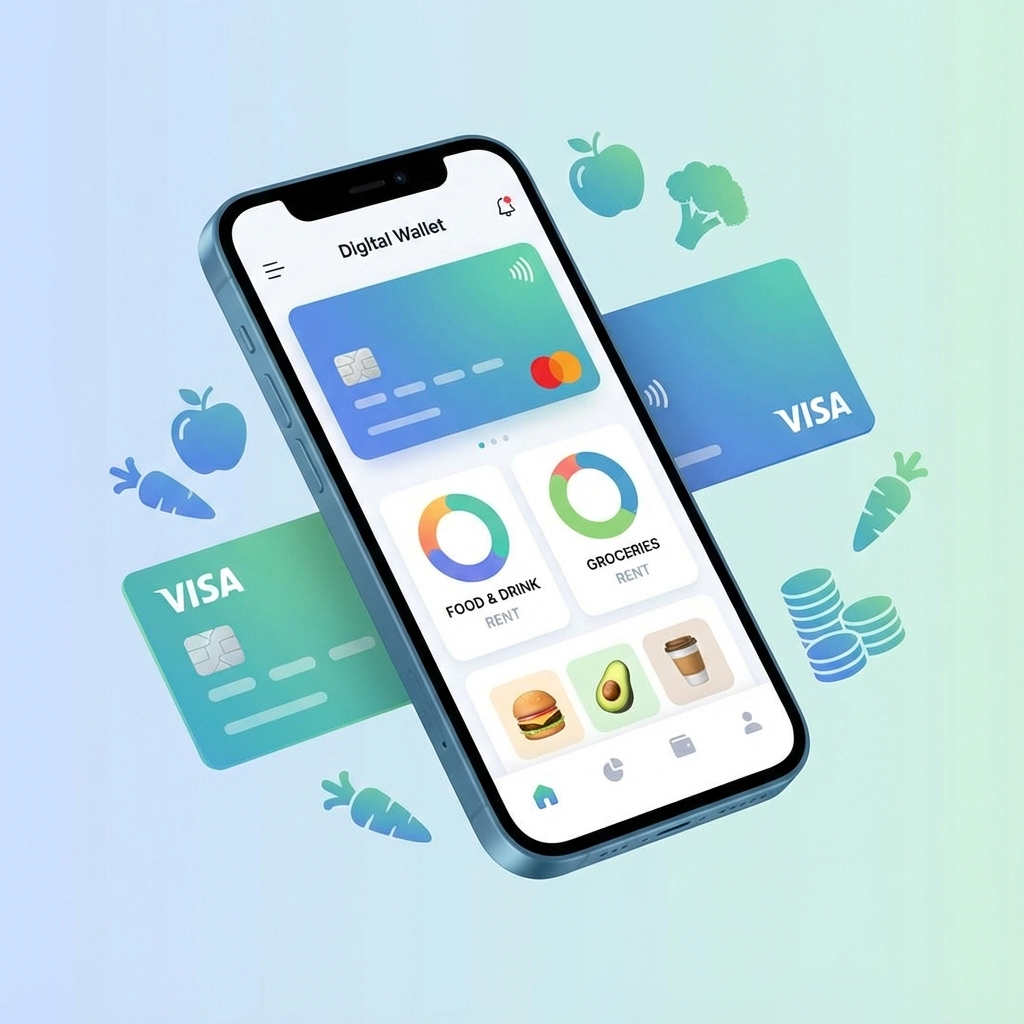
The Open Question We're Still Exploring
How do we use transaction data to build community wealth without becoming creepy surveillance capitalism?
Every grocery transaction contains valuable information: nutrition patterns, budget constraints, dietary preferences, family size changes, economic stress signals. Traditional retailers monetize this data by selling it to advertising networks or using it for price discrimination.
We're testing different approaches. Can aggregated shopping patterns help community organizations better plan food assistance programs? Can anonymized budget data help local credit unions design better financial products? Can nutrition insights help public health programs target interventions more effectively?
The technical challenges are solvable. Privacy-preserving analytics, differential privacy, federated learning : the tools exist to extract community value from individual data without compromising personal privacy.
The harder question is governance. Who decides how community data gets used? How do we prevent mission drift when there's money to be made from information? How do we ensure that data insights actually benefit the communities generating the data?
We're experimenting with community data governance councils : groups of customers, workers, and community partners who review and approve any new data use cases. It's messy and slow and sometimes frustrating. But it feels like the right approach for building systems that serve communities rather than extracting from them.

Why We're Doing This Publicly (Instead of Secretly)
Most companies would keep these experiments internal until they had proven models to scale. We're sharing our process in real-time because we think the problems we're tackling require collective innovation, not competitive advantage.
This isn't about being noble or transparent for its own sake. It's practical. Food systems are local. Community finance is relationship-based. Worker ownership requires trust. These aren't winner-take-all markets where first-mover advantage matters. They're collaborative ecosystems where shared learning accelerates everyone's progress.
When we share learnings from our access-to-support pilots (without sensitive metrics), other organizations can design better programs. When we share our worker participation models, more businesses can experiment with stakeholder approaches. When we document our digital wallet design and integration challenges, fintech developers can build better tools for families on tight budgets.
Our disciplined approach means every experiment has clear hypotheses, measurable outcomes, and explicit stage gates: R&D -> closed beta (few people/partners) -> public pilot (limited scope) -> iterate or retire. We're not throwing random ideas at walls to see what sticks. We're systematically testing components of an integrated system for community wealth building.
The discipline comes from treating community members as collaborators rather than test subjects. Every experiment gets community input before launch, continuous feedback during implementation, and transparent reporting of results. When something doesn't work, we pivot quickly rather than throwing good money after bad ideas.
What We're Looking For
We're not looking for hype enthusiasts or people who want to "disrupt" grocery for the sake of disruption. We're looking for builders who care about systems change : technologists who understand that code is policy, designers who think about accessibility first, business operators who measure success in community outcomes, not just financial returns.
If you're working on financial inclusion tools, let's explore closed-beta integrations now and map a path to a future public pilot. If you're building supply chain transparency systems, bring your APIs and your governance playbooks—let's make them usable in the real world. If you're developing community ownership models, we have real-world test environments and feedback loops ready to go.
We're especially interested in collaborators who bring expertise we don't have: legal structures for community ownership, regulatory navigation for alternative credit, data governance frameworks for community-controlled information, logistics systems for local food networks.
This work is hard. It requires patience with regulatory complexity, comfort with uncertainty, and genuine commitment to community accountability. But it's also the most important work any of us could be doing right now.
The climate crisis demands local food systems. Economic inequality demands community ownership. Financial exclusion demands alternative credit models. We can't solve these problems with more of the same thinking that created them.
Disclaimer: This post is for informational purposes only and is not an offer to sell, or solicitation of an offer to buy, any securities. Program features and eligibility may vary and are subject to change. Credit outcomes depend on individual circumstances and partner policies; no results are guaranteed. SNAP/EBT acceptance and related features depend on program rules and approvals; availability may vary by location. Any insights are based on aggregated, anonymized data; we don't sell personal customer data. Any market sizing, projections, or performance metrics are estimates for context, not guarantees.
If this resonates with you : if you're building tools or systems or organizations that put community wealth before extraction : let's talk. The future of local economics is getting built right now, one experiment at a time.
Comments