
What a Second Store Unlocks for Storehouse Grocers
- Carl Johnson

- Jan 5
- 6 min read
We've been thinking about this constantly : what happens when we're not just a neighborhood grocery store, but when we become a network of neighborhood grocery stores? Because here's the thing we've learned from running our first location: one store teaches you how to serve a community, but two stores? Two stores teach you how to build a system.
And we need to build a system. Not because we're obsessed with growth for growth's sake, but because the math of running one store : beautiful as it is, meaningful as it's been : has inherent limitations that only scale can solve.
The Purchasing Power Reality We Can't Ignore
Let's start with the obvious one that keeps us up at night: purchasing leverage. Right now, we're buying like a corner store but trying to compete with chains that move thousands of cases weekly. Our suppliers are patient with us, they believe in what we're doing, but we're still paying premium prices for everything from produce to paper towels.
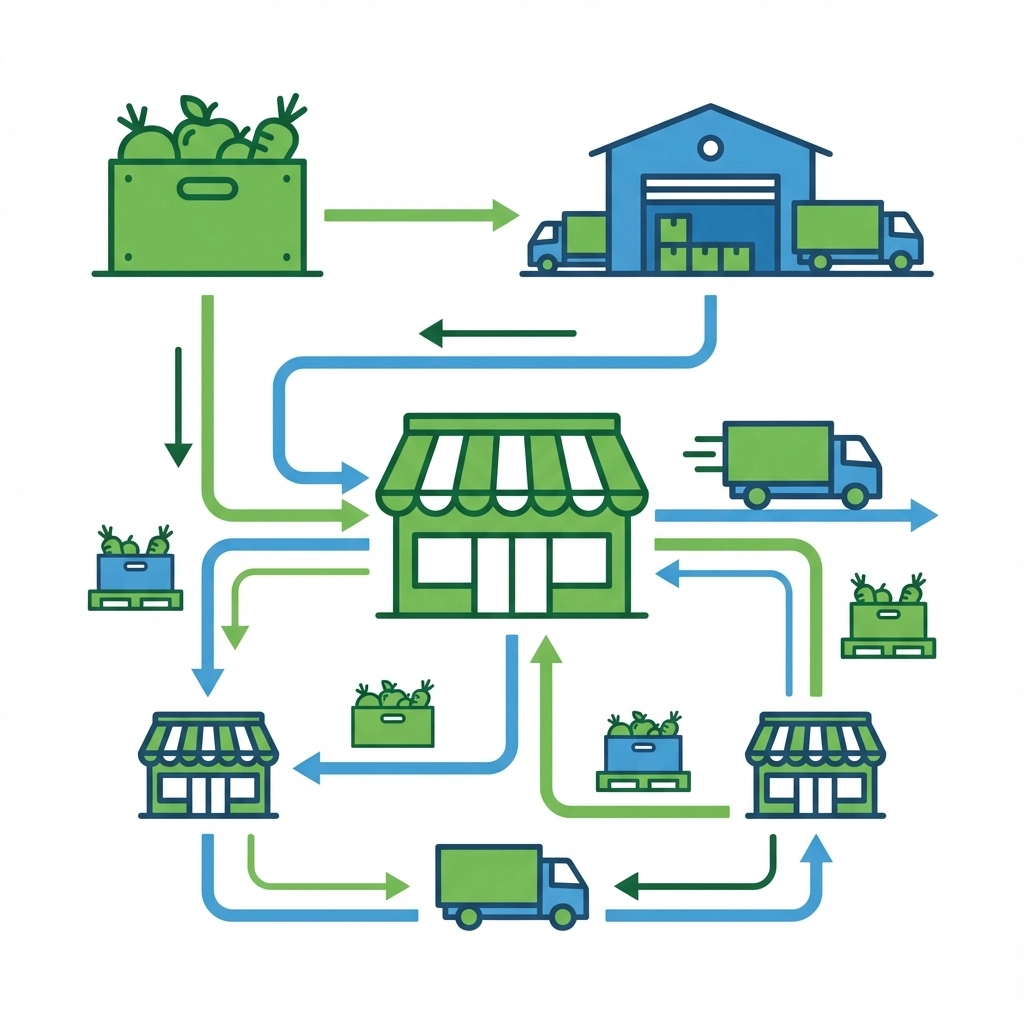
With two locations, we're not just doubling our order volumes : we're crossing thresholds that unlock entirely different supplier relationships. We're talking about moving from retail pricing to wholesale pricing on core categories. We're talking about direct relationships with local farms and food hubs instead of going through three intermediaries.
But here's what's really exciting: we can start negotiating for the quality of products our community deserves, not just the cheapest options available. Because when you're ordering 100 cases of canned tomatoes instead of 20, suddenly you have the leverage to specify no BPA linings, organic options at conventional prices, better sourcing practices.
The math is straightforward but transformative : purchasing costs that represent roughly 65-70% of our current revenue start dropping toward 60-65%. That 5-point improvement isn't just margin improvement; it's the difference between surviving and building something sustainable that can weather economic storms.
Staffing Coverage That Actually Works
We've been running lean : maybe too lean : and every shift change, every sick day, every vacation request becomes this complex puzzle we have to solve. How do you provide consistent customer service when you're always one person away from chaos?
Two stores solve this in ways that surprised us when we really thought it through. We're not just doubling our staff; we're creating redundancy and career pathways that didn't exist before. Sarah, who's been with us since month three, could manage the second location while training new team members at the first. Marcus, who knows our supply chain better than anyone, could float between locations troubleshooting delivery issues and training others.
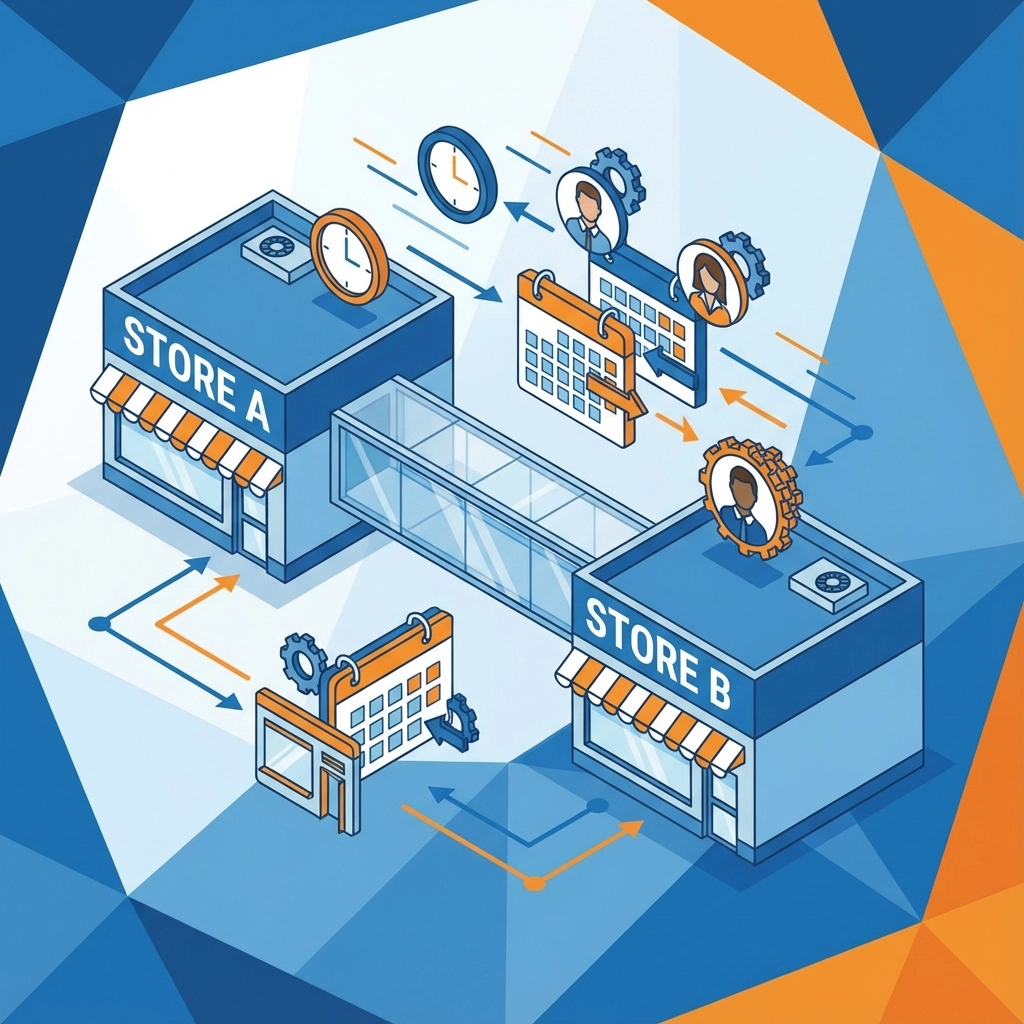
But it's more than coverage : it's about building expertise that compounds. Right now, when someone calls in sick, we scramble. With two locations, when someone calls in sick, we have trained backup who already knows our systems, our customers, our values. We have people who can step up because there are actual steps to step up to.
And let's be honest about what this does for our team's economic security. Instead of part-time hours that fluctuate based on one store's traffic patterns, we can offer full-time positions with benefits. We can offer real advancement opportunities. We can start building the kind of workplace that people stay at for years, not months.
The Back Office That Finally Makes Sense
Running one store, we're doing everything manually or with systems that barely scale. Inventory tracking happens on spreadsheets. Scheduling is a weekly puzzle. Financial reporting takes Carl entire weekends to compile.
Two stores force us to build real systems : not because we want to be corporate, but because we have to be efficient. We need inventory management software that tracks movement across locations. We need scheduling systems that optimize labor costs while maintaining service levels. We need financial dashboards that help us make decisions quickly.
But here's the unlock: those systems cost basically the same whether we're running one store or three stores. The technology infrastructure investment that feels prohibitive at one location becomes obviously worthwhile at two. And suddenly we're not just buying software; we're building capabilities that let us operate more professionally while staying deeply connected to our communities.

Shared administrative costs : insurance, legal, accounting, technology : that felt heavy on one location's P&L suddenly feel reasonable when spread across multiple revenue streams. We're talking about fixed costs that were eating 8-10% of revenue dropping to 5-6%. That's not just efficiency; that's survival margin in a low-margin business.
The Financial Discipline We Didn't Know We Needed
One store lets you be scrappy. Two stores demand that you be disciplined. And honestly? We needed that forcing function.
With one location, inventory turns that were "pretty good" felt acceptable. With two locations, we can actually compare performance metrics and see which practices drive better results. We can test different product mixes, different pricing strategies, different operational approaches and measure what works.
But the real financial unlock is diversification. Right now, if our neighborhood has a rough month : if the main employer has layoffs, if road construction keeps customers away, if a big storm disrupts everything : we feel it immediately and completely. Two neighborhoods, two customer bases, two traffic patterns? We're not just spreading risk; we're building resilience.
We're also creating what the finance people call "operational leverage." Our manager salary that seemed high for one store suddenly covers two stores. Our delivery costs get more efficient because we can optimize routes. Our marketing spend reaches more customers per dollar because we're building brand recognition across a larger area.
The Management Bench We Desperately Need
Carl's been doing everything, and it's not sustainable. Not because he doesn't love it, but because one person can't be the coffee expert and the produce buyer and the staff trainer and the community relationship builder and the financial analyst and the technology troubleshooter all at once.
Two stores let us start building real management depth. We can have someone who becomes our produce specialist across locations. Someone who owns customer experience. Someone who focuses entirely on team development and training.
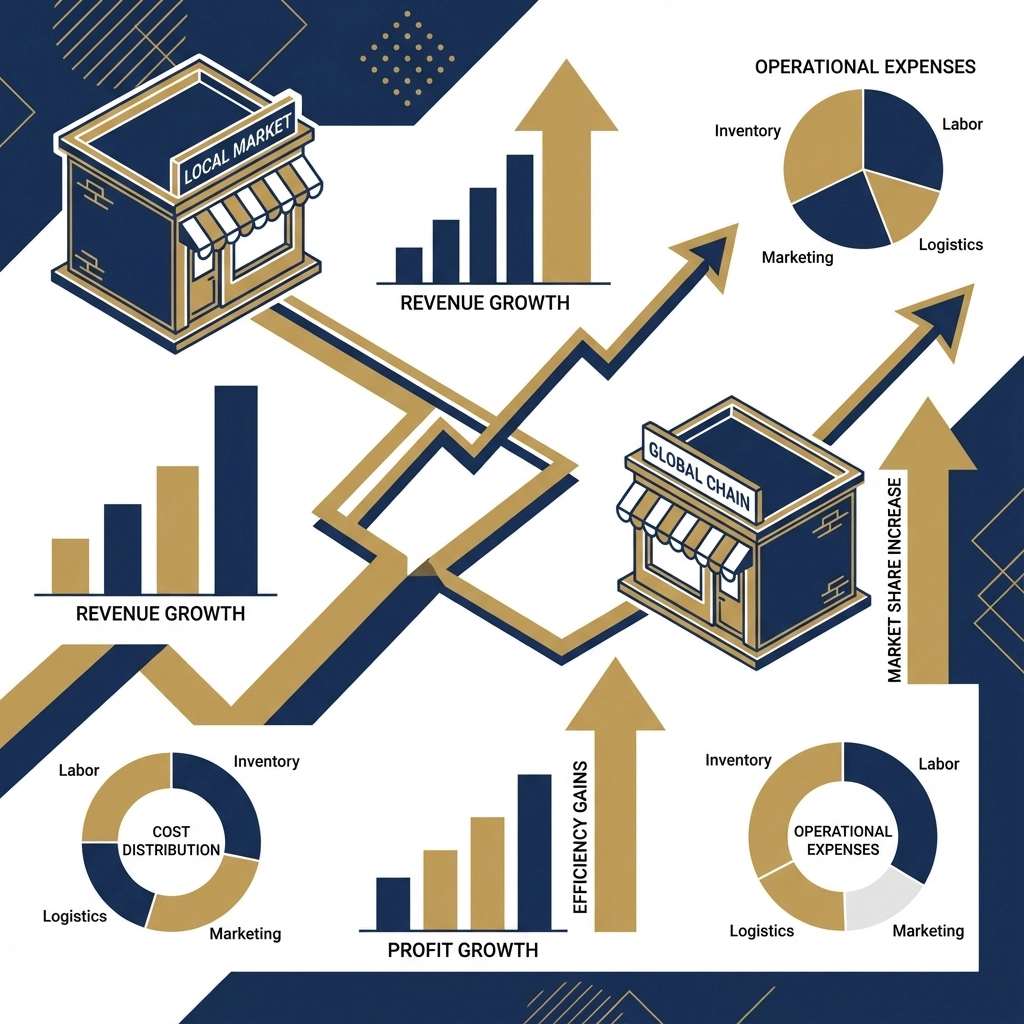
This isn't about bureaucracy : it's about letting people get really good at the things they're passionate about instead of everyone doing everything adequately. And when people get really good at specific things, that expertise becomes transferable. Suddenly we have systems and knowledge that exist beyond any individual person.
More importantly, we have advancement pathways that make sense. Instead of telling great team members "maybe someday," we can say "here's how you become an assistant manager, here's how you become a location manager, here's how you become a regional trainer." We're building an organization that people can grow within.
What Standardizes (And What Never Will)
Here's what we've learned about what needs to be the same everywhere: our values around worker ownership, our commitment to affordable pricing, our quality standards for products, our approach to customer service, our financial transparency, our environmental practices.
But here's what will always be local: our product mix based on neighborhood preferences, our community partnerships, our local sourcing relationships, our cultural programming, our response to specific neighborhood needs.
Two stores let us test this balance for the first time. We can see what operational systems scale beautifully and what community connections have to be built from scratch in each location. We can figure out what training transfers and what relationships have to be earned locally.
The Community Impact We Can Actually Measure
One store serves one neighborhood. Two stores start to build food infrastructure that matters at a city level. We're not just keeping dollars in one community; we're creating a network that keeps food dollars circulating locally across multiple neighborhoods.
But it's more than economics : it's about proving that this model works. That neighborhood-scale, worker-centered grocery stores aren't just a nice idea but a replicable solution to food access challenges. That you can build a sustainable business while serving communities that big chains have written off.
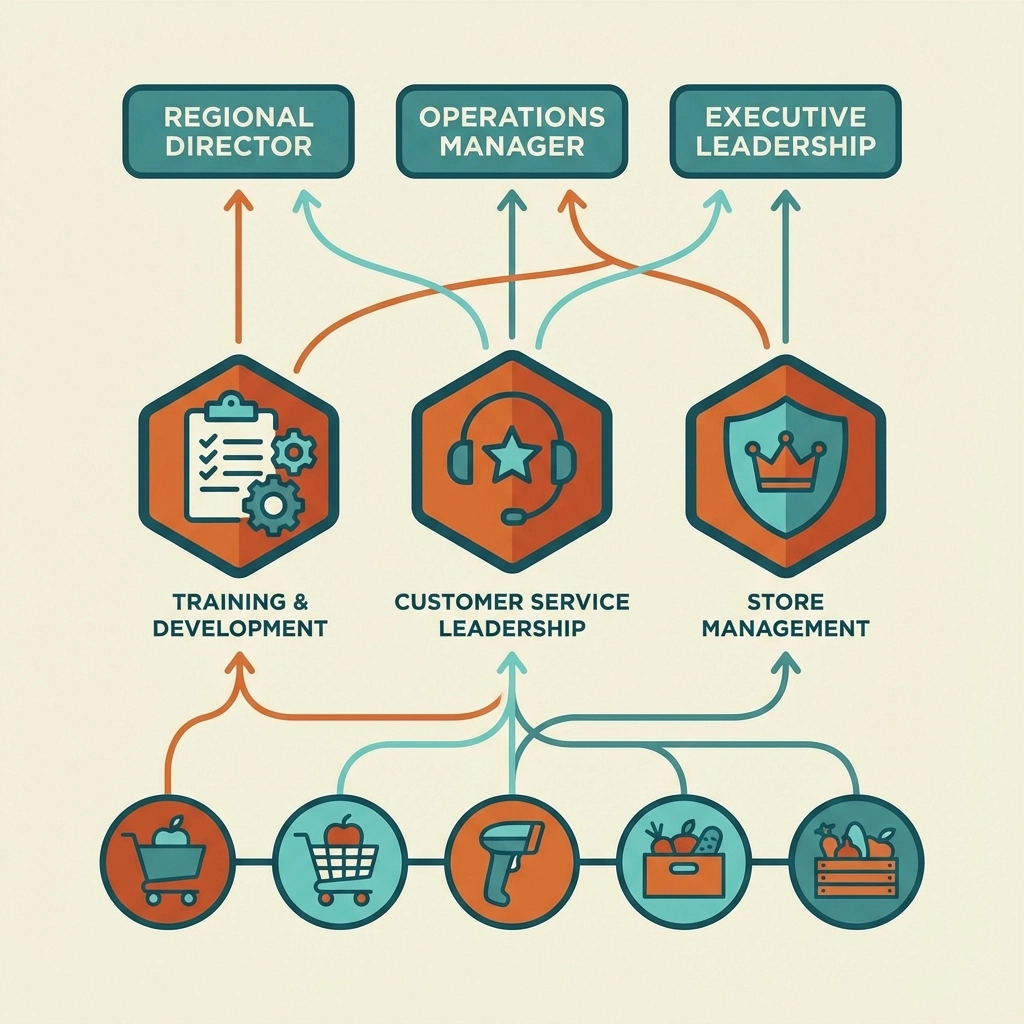
Two stores let us start collecting data that matters for policy conversations. Employment numbers, local spending impact, customer health outcomes, community engagement metrics : the kind of evidence that helps other communities advocate for similar projects.
The Stage Gates We Won't Skip
We're not jumping from one store to five stores. We're not franchising before we understand what we're franchising. Two stores is the proving ground for everything we think we know about making this work.
Location two has to hit operational milestones before we consider location three. Positive cash flow within 12 months. Customer retention rates that match or exceed location one. Team satisfaction scores that prove we're building workplace culture that scales.
But if those metrics work? If we can prove that the systems we build support great customer experience and sustainable economics and meaningful community impact? Then we're not just running grocery stores anymore. We're demonstrating a model that other communities can adapt for their needs.
And that's when this gets really interesting. Because the goal was never to build the best grocery store in one neighborhood. The goal was always to build the best approach to neighborhood grocery that could work anywhere people need better food access and economic opportunity.
Two stores unlocks that possibility. Two stores proves the model. Two stores changes everything.
Comments