
How to Start a Community Grocery Store That Actually Builds Neighborhood Wealth (5-Step Guide)
- Carl Johnson

- Dec 20, 2025
- 6 min read
Look, we've all seen it happen. Big chain stores roll into neighborhoods, extract profits, then pack up and leave when the numbers don't look right anymore. Meanwhile, our neighbors are stuck driving miles for decent groceries or paying premium prices at corner stores that... honestly, they're doing their best, but fresh produce isn't exactly their strong suit.
What if we told you there's another way? What if the grocery store in your neighborhood could actually build wealth for your community instead of shipping it off to some corporate headquarters three states away?
We're talking about community-owned grocery stores, and yes, they're exactly what they sound like. Neighbors owning shares, profits staying local, decisions made by people who actually live here. It's not some pie-in-the-sky idea either. Communities across the country are making this work, building food security AND economic power at the same time.
This was a difficult task for us because we just started understanding how complex these ventures can be... but that's exactly why we need to break it down into steps that actually make sense for regular people who want to see their neighborhoods thrive.
Step 1: Get Crystal Clear on What Your Community Actually Needs
Before we start talking business plans and funding, because trust us, we'll get there, we need to understand what's really missing in your neighborhood. And here's the thing: what you think people need and what they actually need might be totally different.
Start by walking around. Not just the main streets, but the blocks where people actually live. Are there elderly folks who can't drive to the big box store twenty minutes away? Families stretching SNAP benefits trying to find fresh vegetables? Young parents pushing strollers past empty lots where a neighborhood market used to be?
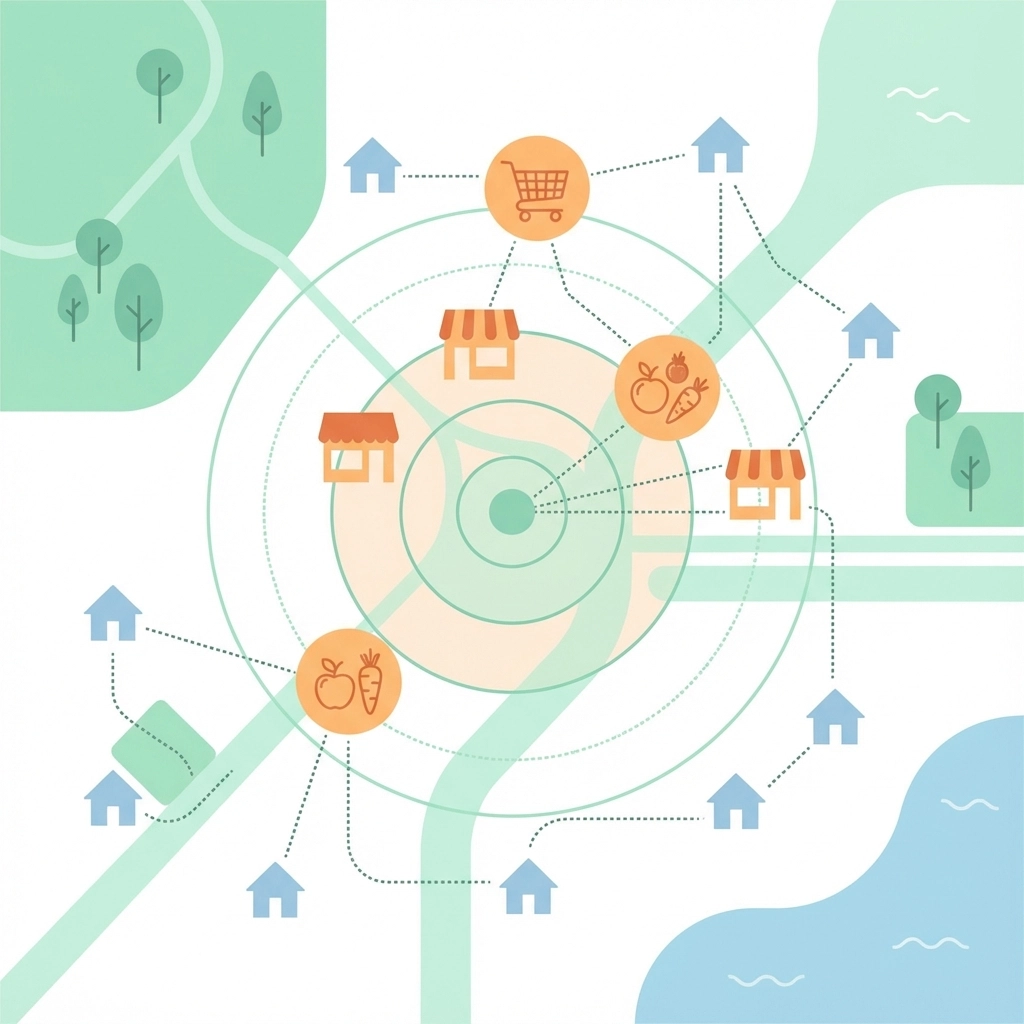
Door-to-door conversations work better than surveys because people will tell you things in person they'd never write down. Ask your neighbors: Where do you shop for groceries now? What would make grocery shopping easier for your family? What products do you wish you could buy closer to home?
We're not just collecting data here, we're building the foundation for community ownership. When people help design the vision, they become stakeholders from day one. They start thinking "our store" instead of "that store."
And here's what we've learned: the most successful community stores don't try to be everything to everyone. Some focus on affordable fresh produce in food deserts. Others emphasize organic and locally-sourced products. The key is knowing exactly who you're serving and why they need what you're offering.
Step 2: Do Your Homework (But Make It Community-Driven)
Okay, so now you know what your neighbors want. Time for the reality check: can you actually make this work financially? This is where a lot of well-meaning community projects... well, let's just say good intentions don't pay the rent.
You need real numbers. How many households are within walking distance? What's their average grocery spending? Who are you competing against, and what advantages do you have?
But here's where community stores do it differently, your market research should be as much about building relationships as gathering data. Set up tables at community events. Go to church basements and school pickup lines. Make this research process part of community organizing.

We're also talking zoning laws, health permits, all that bureaucratic stuff that makes your eyes glaze over but absolutely cannot be ignored. Every municipality has different rules about food retail, and you need to know them before you fall in love with a location that... surprise! Can't legally operate as a grocery store.
Connect with grocers in similar-sized communities. Most people in this business will talk your ear off about what works and what doesn't, especially if you frame it as community development instead of competition. Their insights about supplier relationships, staffing challenges, seasonal fluctuations... this is gold.
Step 3: Build Real Community Ownership (Not Just Community Support)
This is where we separate the real community grocery stores from the ones that just have "community" in the name. Anyone can put up a sign saying they serve the neighborhood. Community ownership means people have actual skin in the game.
Member-owner shares work like this: residents buy into the business, usually starting around $100-200 per household. They get voting rights, profit distributions, and discounts on purchases. More importantly, they get decision-making power about everything from product selection to hours of operation.
But before people will invest their money, they need to see themselves reflected in the planning process. Hold design workshops where neighbors sketch out ideal store layouts. Ask parents where they'd want the diaper station. Get input from people using wheelchairs about accessibility. Include teenagers in conversations about after-school snack options.
The magic happens when community members start saying "we" instead of "you" when talking about the store. When Mrs. Garcia starts telling her friends about "our new grocery store" before it even opens... that's when you know community ownership is taking root.
Step 4: Build a Business Plan That Actually Works for Your Neighborhood
Now we get into the nitty-gritty of making this whole thing financially sustainable. Because community ownership is beautiful, but community ownership of a failing business just means everyone loses money together.
Your business plan needs to address the unique aspects of community retail. How will you balance affordable prices with living wages for staff? What's your strategy for sourcing local products? How will you compete with big chains while maintaining community values?

Funding for community stores typically comes from multiple sources. Member shares provide some capital, but you'll likely need grants from organizations focused on food access, community development, or rural economic development. USDA Rural Business Enterprise grants support stores in smaller communities. Local foundations often fund projects that address food security.
Some communities supplement traditional grocery sales with complementary revenue streams. Coffee roasting and specialty coffee can provide higher profit margins. Community kitchens for local food entrepreneurs. Meeting spaces for neighborhood organizations. The Storehouse Wallet concept, where community members can build credit history through grocery purchases while earning rewards that stay in the local economy.
Your staffing model matters for community wealth building too. Will you hire local residents? Provide training and advancement opportunities? Offer ownership stakes to employees? These decisions shape whether the store builds community wealth or just operates in the community.
Step 5: Launch With Community Celebration and Long-Term Vision
Opening day isn't the finish line, it's the starting line. Community stores succeed when they become genuine community hubs, not just places to buy groceries.
Your governance structure should ensure community accountability while maintaining operational efficiency. Most successful stores have boards comprised of member-owners, local leaders, and people with business experience. Day-to-day management typically requires hiring someone with retail experience, but major decisions should involve community input.

Product curation becomes an ongoing community conversation. Use sales data to understand what's working, but also keep talking to member-owners about what they need. Seasonal adjustments, new product requests, pricing concerns, these should flow through regular community meetings and member surveys.
Marketing for community stores works differently too. Yes, you want to attract customers, but you're also building a movement. Every transaction should reinforce the community ownership message. Receipt tape that shows profit-sharing. Signs explaining how member discounts work. Staff training that emphasizes the cooperative difference.
Why This Actually Builds Wealth (Not Just Access)
Here's what makes community grocery stores different from just another local business: the ownership structure keeps wealth circulating in the neighborhood instead of extracting it.
Traditional grocery stores send profits to distant shareholders. Community stores distribute profits back to member-owners: your neighbors. Jobs go to local residents. Purchasing decisions prioritize local suppliers when possible. The building might be community-owned real estate instead of rent paid to outside landlords.
This is the multiplier effect in action. Money spent at community-owned businesses generates approximately twice as much local economic activity as money spent at chain stores. Why? Because community businesses buy local services, hire local workers, and keep profits local.
But we're also building something harder to measure and maybe more important: community decision-making power around food access. When neighborhoods control their own grocery infrastructure, they're not at the mercy of corporate executives deciding whether their zip code is profitable enough to deserve fresh vegetables.
The community grocery store model proves that food access and wealth building can happen simultaneously. We don't have to choose between affordable groceries and community economic power. We can build both, together, one neighborhood at a time.
Ready to start building community wealth through food access? Connect with neighbors who share this vision. Start those door-to-door conversations. Begin imagining what community ownership could look like in your neighborhood.
Because here's what we know: communities that control their own food systems build power in every other area too. Let's get started.
Comments