
Can Grocery Shopping Data Really Build Your Credit Score? The Truth About Fintech for SNAP Users
- Carl Johnson
- Dec 20, 2025
- 6 min read
Disclaimer: This content is for educational purposes only and not financial advice. Always consult qualified financial professionals before making credit or banking decisions.
So here's the thing we keep hearing about , fintech companies claiming your grocery shopping habits can magically fix your credit score. And honestly? We were skeptical too. Like, really skeptical. Because we've seen so much hype around "alternative data" that turns out to be just fancy marketing for the same old predatory lending tricks.
But then we dug deeper. We talked to actual families using SNAP benefits, we researched what's really happening with this grocery data stuff, and... well, it's complicated. Some of it's real. Some of it's absolutely hype. And if you're using SNAP or struggling with traditional banks, you deserve to know the difference.
What They Mean When They Say "Grocery Data"
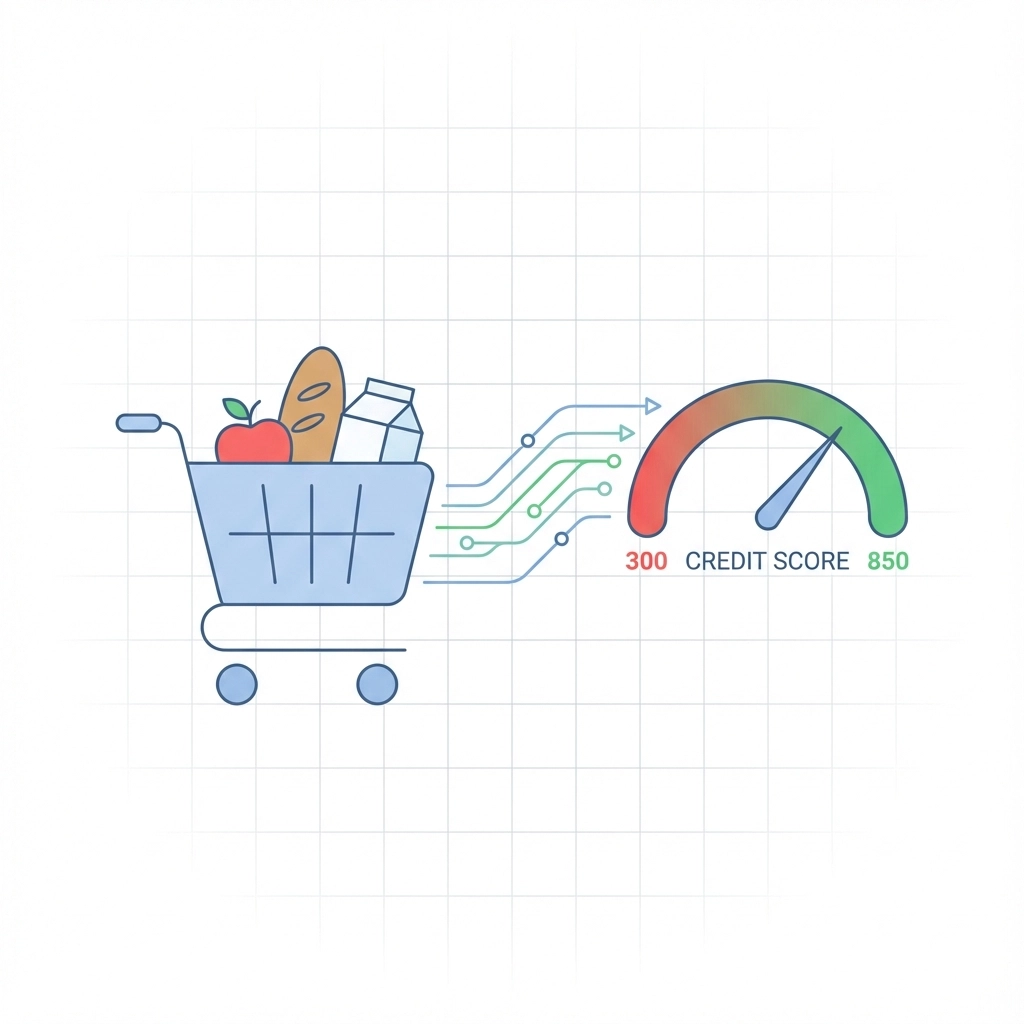
When fintech companies talk about using your grocery shopping to build credit, they're looking at patterns. Not what you buy exactly , though that matters too , but how you buy. Are you consistent? Do you shop the same day each week? Do you stick to a budget? Do you use loyalty cards responsibly?
Here's what actually correlates with good credit behavior: shopping on the same day of the week, spending similar amounts month to month, buying the same brands consistently. It sounds weird, but people who pay their bills on time tend to be creatures of habit in grocery stores too.
And here's the part that made us raise our eyebrows , people who buy healthier foods (fresh produce, whole grains) tend to have better payment histories than people buying lots of processed foods, energy drinks, or cigarettes. We're not saying there's anything wrong with those choices! We're just reporting what the data shows.
The reason this works is because grocery shopping happens frequently, it's necessary, and it reveals behavioral patterns. You can't fake consistency over months of grocery receipts the way you might game other systems.
The Real Numbers (And They're Actually Encouraging)
Here's where it gets interesting for families who've been locked out of traditional credit. When lenders started using retail shopping data , including grocery data , approval rates for people without credit scores jumped from 15.5% to 47.8%. That's not a small bump. That's life-changing.
Even better? The default rates actually went down. People approved using shopping data were more likely to pay back their loans than people approved through traditional methods. So this isn't about lowering standards , it's about finding creditworthy people that traditional banks miss.
In South Africa, they rolled this out nationwide and 8 million people who were previously "credit invisible" suddenly had credit scores. 3.2 million of them qualified for affordable credit they couldn't get before. We're talking about real families getting access to real opportunities.
But Here's the Catch (There's Always a Catch)
The grocery data magic only works if you don't already have a credit score. Once you build traditional credit history, grocery data becomes basically useless for credit decisions. It's like training wheels , helpful for getting started, but you eventually outgrow them.
And let's be honest about privacy. When you use these services, companies are tracking your shopping patterns. They know when you buy groceries, how much you spend, probably what you're buying. Some people are comfortable with that trade-off for credit access. Others aren't. We respect both choices, but you should know what you're signing up for.
What This Means for SNAP Families
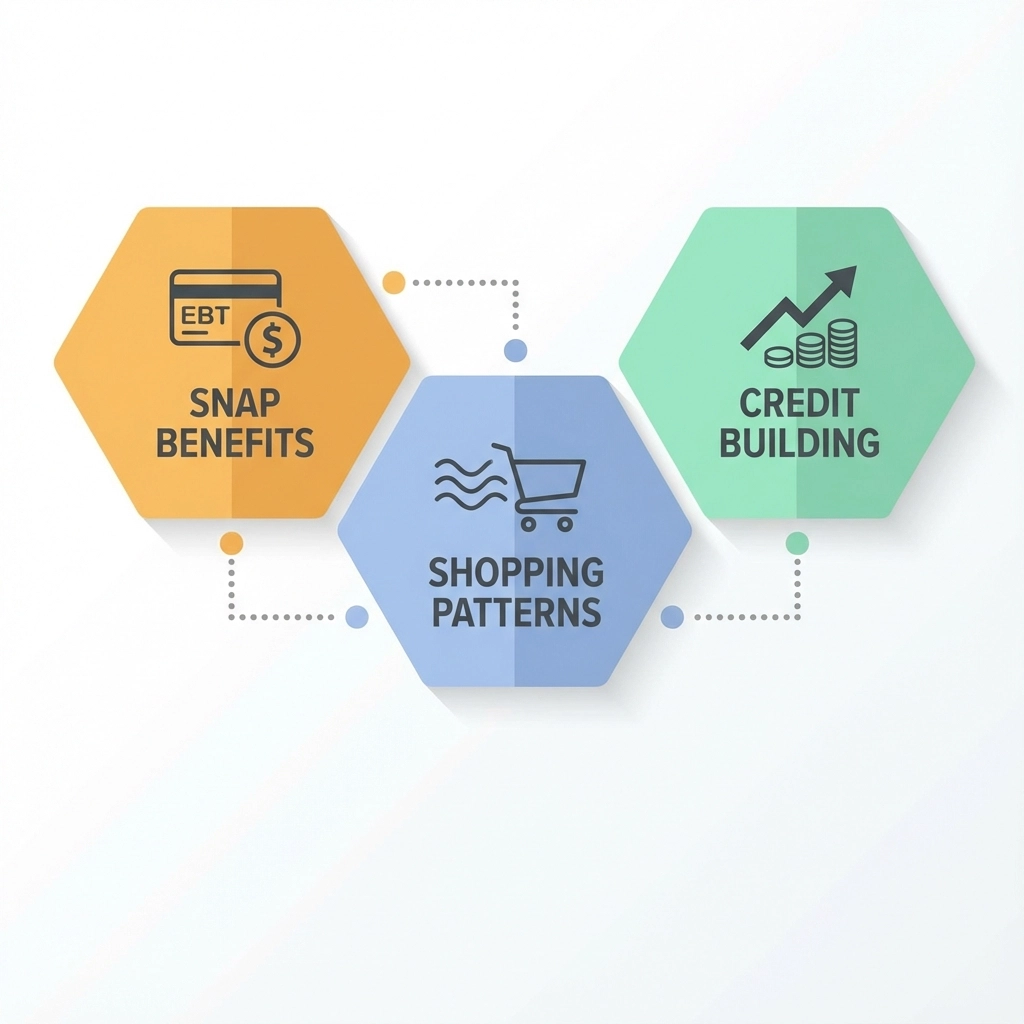
If you're using SNAP benefits, you're already generating shopping data. Every time you use your EBT card at a grocery store, there's a record of when you shop, how much you spend from your SNAP allocation, how consistently you use your benefits.
Some fintech companies are starting to use this data to help SNAP recipients build credit profiles. Instead of banks seeing "no credit history," they see "consistent shopper who manages a monthly food budget responsibly."
This could be huge for families who've been excluded from traditional banking. We know too many people who can manage a household budget, who never miss rent, who are incredibly responsible with money , but can't get a credit card because they don't already have a credit card. It's ridiculous circular logic that keeps people trapped.
The Good, the Bad, and the Predatory
Not all grocery-data credit building is created equal. Here's what we've learned about telling the good from the bad:
Good models: Focus on helping you build traditional credit history. They use grocery data as a stepping stone, not a permanent replacement. They're transparent about fees and terms. They report to major credit bureaus so you're actually building real credit.
Sketchy models: Keep you dependent on alternative scoring forever. Hide fees in confusing terms. Don't report to credit bureaus. Market themselves as "better than credit scores" when really they're just different ways to assess risk.
Predatory models: Use grocery data to justify higher interest rates for "risky" populations. Target low-income communities with expensive products. Make it hard to graduate to traditional credit.
The key question: Are they helping you access traditional credit, or creating a separate, expensive track for poor people? Because we've seen too much of the latter.
Where Storehouse Wallet Fits In
We developed Storehouse Wallet specifically because we were frustrated with both traditional banks and predatory fintech options. We wanted something that actually helps families build wealth, not just access more debt.
Our approach uses grocery shopping data, but only as one piece of a bigger financial health picture. We look at shopping consistency, yes, but also grocery budget management, savings patterns, community connections. And everything we do is designed to help members qualify for traditional banking and credit products.
We're not trying to replace banks , we're trying to help people access banks. There's a difference.
Privacy and Control (You Should Have Both)

Let's talk about privacy because it matters. When you share grocery data for credit building, you should know exactly what's being tracked, who sees it, and how it's used.
Good providers will let you see your own data profile. They'll explain their scoring algorithms in plain English. They'll give you control over what data gets shared and with whom.
Bad providers treat your data like their property. They hide behind "proprietary algorithms" and won't tell you what factors help or hurt your score. They make it hard to delete your data if you want out.
At Storehouse, we believe your data belongs to you. Always. You can see everything we track, understand how it affects your financial profile, and opt out of any data sharing. Because building credit shouldn't require giving up your privacy permanently.
The Bottom Line for Families
Can grocery shopping data build your credit score? Yes, but with big caveats.
It works best for people with no credit history : which includes many SNAP users and families excluded from traditional banking. It can dramatically increase approval rates for first-time borrowers. And when done ethically, it can be a genuine bridge to financial inclusion.
But it's not magic. It doesn't replace traditional credit scores once you have them. It requires sharing personal data. And there are plenty of companies using it to justify expensive products for vulnerable communities.
Our advice? If you're credit-invisible and struggling to access traditional banking, grocery-data credit building might be worth exploring. But choose providers carefully. Look for transparency, fair pricing, and a clear path to traditional credit products.
And remember : the goal isn't to stay dependent on alternative data forever. The goal is to build enough traditional credit history that you don't need these workarounds anymore.
Questions You Should Ask Before Signing Up
Before you trust any company with your grocery shopping data, ask these questions:
What specific data are you tracking?
How do you calculate my score?
Do you report to major credit bureaus?
What are all the fees involved?
How can I see and control my data?
What's your plan for helping me build traditional credit?
How do I opt out if I want to leave?
If they can't answer clearly, walk away. Your data and your financial future are too important for unclear terms and hidden agendas.
Building credit shouldn't be a mystery. Building wealth definitely shouldn't require giving up your privacy or paying predatory fees. We can do better, and families deserve better.
Ready to explore ethical credit building options? Learn more about Storehouse Wallet and our community-focused approach at https://www.storehousegrocers.com.